When people hear “improving energy efficiency,” they often picture major works, pulling things apart, installing new systems, and spending a fair bit of money.
But that’s not how it usually goes.
Most buildings don’t need a complete redo to perform better. More often, it’s the small adjustments that move the needle like how energy is used day to day, how the space feels, and what it actually costs to run.
If you’ve been putting it off because it sounds like a big job, chances are it’s a lot more manageable than you think.
Start with What’s Already There
Before adding anything new, it’s worth looking at how your building is currently performing.
A lot of energy waste comes from:
- Inefficient lighting
- Poor insulation
- Outdated usage habits
- Systems running when they don’t need to
Fixing these doesn’t require major upgrades, just better control and smarter use.
Lighting: The Easiest Place to Begin
Lighting is one of the simplest areas to improve.
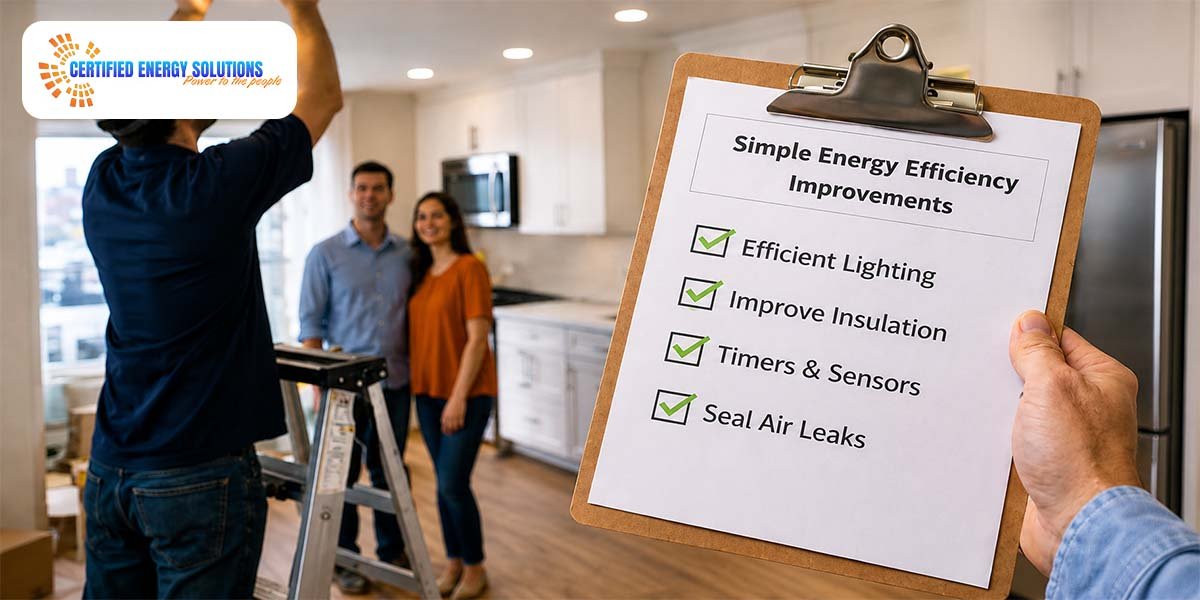
Switching to LED lighting:
- Uses less power
- Lasts longer
- Produces less heat
It’s a quick win that reduces energy use without changing how your space functions.
Control How and When Energy Is Used
Sometimes, the issue isn’t the system, it’s how it’s being used.
Simple changes like:
- Installing timers
- Using motion sensors
- Setting schedules for equipment
can significantly cut down unnecessary energy use. This is where solar system monitoring solutions also come into play. They give you a clearer picture of how energy is being used, so it’s easier to notice what’s being wasted and make small adjustments where needed.
Improve Insulation and Airflow
Keeping a space comfortable takes more energy than most people expect. If your building heats up too fast in summer or can’t hold warmth in winter, your systems have to work harder just to keep things steady.
Small improvements can help:
- Sealing gaps around doors and windows
- Adding basic insulation
- Improving ventilation
You don’t need to tear the place apart to see a difference. Even small fixes can ease the load on your systems and bring energy use down in a way you’ll actually notice.
Upgrade Without Replacing Everything
It’s easy to assume you have to swap out entire systems to improve efficiency, but that’s not always the case. Often, just upgrading a few key parts can make things run better without the cost or hassle of a full replacement.
For example:
- Adding battery storage to an existing solar setup
- Improving system controls
- Enhancing energy distribution
Options like home solar battery upgrade options allow you to get more out of what you already have without starting from scratch.
Make the Most of Solar (Without Going All-In)
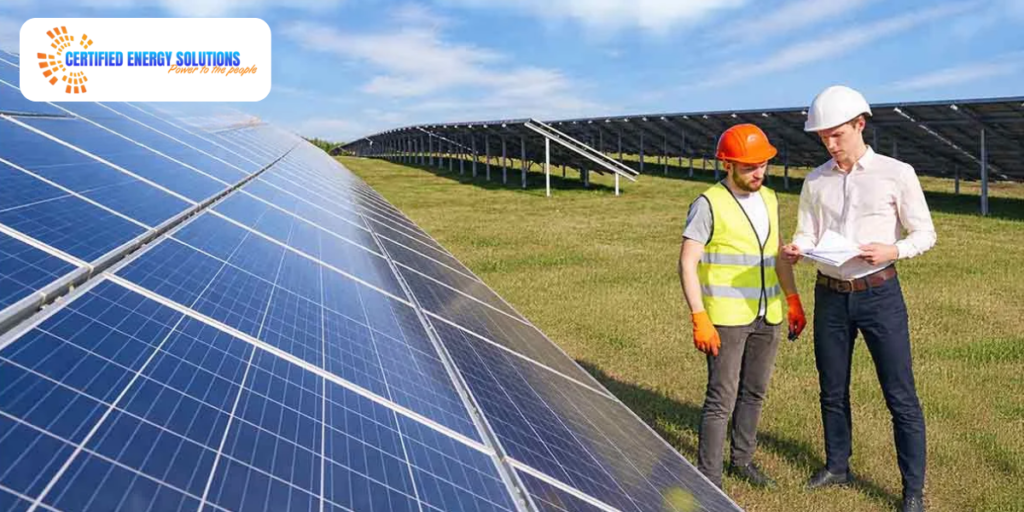
Solar energy doesn’t have to mean a full installation right away. Even partial upgrades can make a difference.
Hybrid solar systems in Australia, becomes popular choice for many house owners. This allows buildings to use solar energy during the day and store excess power for later.
It’s a practical way to improve efficiency without committing to a full-scale system.
Focus on High-Impact Areas First
If you’re not sure where to start, focus on the areas that typically use the most energy:
- Heating and cooling
- Lighting
- Equipment usage
Improving efficiency in just one of these areas can have a noticeable impact on overall performance.
Don’t Overlook Rural and Regional Needs
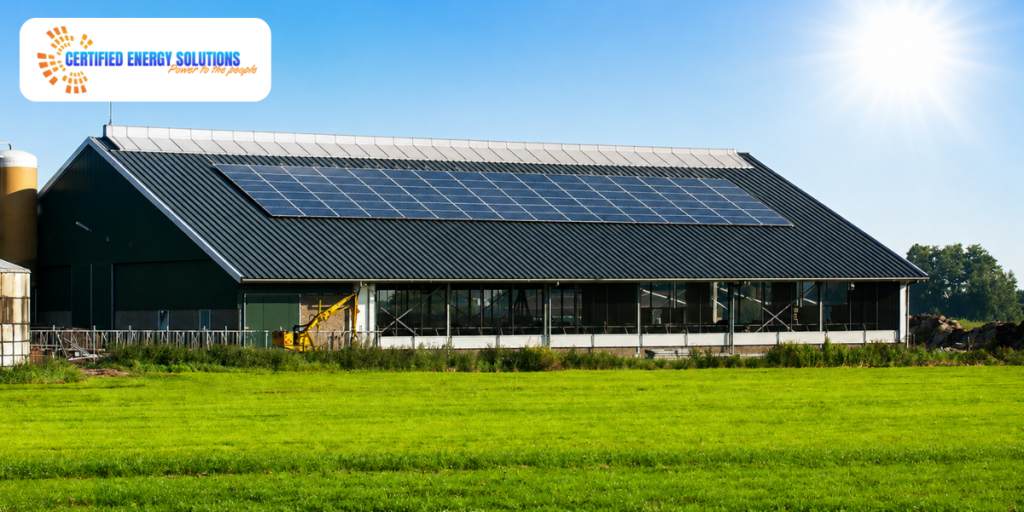
In regional areas, it’s not just about the cost of energy, it’s whether you can rely on it day in, day out. Power can be inconsistent, which is why more properties are turning to options like solar power systems for rural properties. They offer a bit more stability and reduce how much you depend on the grid.
Even small moves in that direction can make a property feel more reliable and that matters.
Consistency Matters More Than Complexity
There’s this idea that improving energy efficiency means installing complicated systems or making big changes. In reality, it’s usually the smaller, consistent efforts that add up.
Regular upkeep, being a bit more mindful about how things are used, and making gradual improvements over time often deliver better results than one big upgrade.
What This Means for Your Building
If your energy bills feel higher than they should, or the building just isn’t performing the way you’d expect, it doesn’t always point to a major issue.
More often, it’s a sign that a few smarter tweaks could make things run more smoothly. It’s not about getting everything perfect it’s about getting it to work better than it does right now.
Where This Starts to Make a Real Difference
If you’re trying to improve efficiency without going down the path of big upgrades, having the right support can make things a lot easier.
Certified Energy Solutions works with property owners across Australia to find practical ways to improve performance without overcomplicating the process. Whether it’s refining existing systems or introducing better energy solutions, the focus is on what actually works in real-world settings.
Because improving efficiency doesn’t have to feel overwhelming.
It just needs a clear, practical approach.