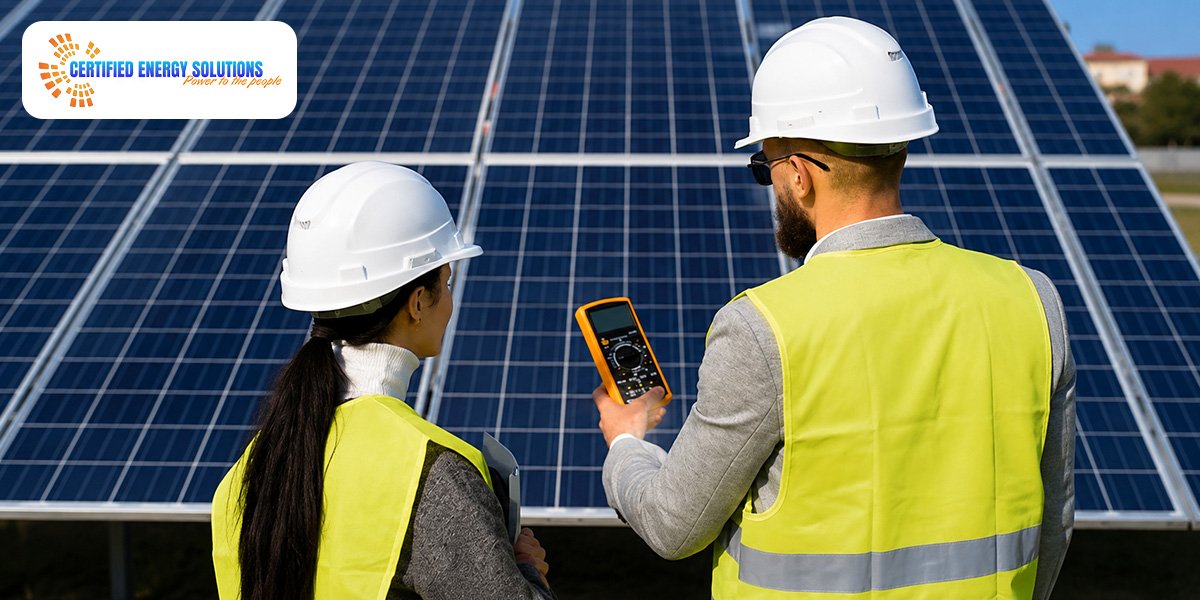
Did you know that nearly 80% of solar systems do not work as well as they should because homeowners don’t monitor them? You chose to go solar to save money and help the environment, but are your panels performing effectively? Many people forget to check their solar monitoring systems, which can lead to lost energy and extra costs. Implementing solar system monitoring solutions can help ensure your investment is performing at its best.
Let’s see the most common mistakes people make when monitoring their solar systems and some easy tips to help you avoid these mistakes.
The Top Monitoring Mistakes
Mistake 1: Ignoring baseline performances
One of the most common mistakes is failing to establish a baseline performance for your solar system. Many users don’t know how much energy their system should produce on a clear, sunny day, which makes it challenging to identify underperformance.
“If You Don’t Know Your Normal, You Can’t Spot a Problem.” To avoid the mistake, benchmark your solar system as soon as it’s installed or when it’s in optimal condition (ideally, right after a thorough cleaning). Record the energy output on a sunny day to understand what “normal” looks like for your specific setup.
Mistake 2: Focusing Only on Daily or Monthly Totals
Many people make the mistake of only checking how much energy their system produces for the day or month. Although it’s easy to look at the total number, this approach can cause important details to be missed. If you ignore the hourly or minute-by-minute production curves, you might not see key changes caused by shading from trees or buildings, or problems with the inverter.
To understand how your system is doing, check the production curve regularly. A good production curve will show steady energy generation that follows the sun’s path. If you notice sudden drops, it could indicate problems. Finding these issues early can help you fix them and ensure your system runs well.
Mistake 3: The ‘Set It and Forget It’ Mentality (Infrequent Checks)
Another frequent error is adopting a ‘set it and forget it’ approach, where users only look at their solar monitoring app occasionally, perhaps just a few times a year or solely when they receive an unexpectedly high electricity bill.
To avoid this issue, establish a regular routine for checking your solar system’s performance. Strive to review your energy production weekly and correlate the data with local weather patterns. This practice will help you identify any discrepancies and confirm that your system is functioning as it should.
Mistake 4: Ignoring Alerts and Error Messages
Many users often overlook error notifications or warnings from their solar monitoring app, thinking they are trivial, temporary issues. However, neglecting these alerts can result in more significant problems if they are not addressed quickly.
Whenever you receive an alert, it’s crucial to act swiftly. Begin by recording the error message and noting the circumstances under which it appeared. If it’s safe, attempt to reboot the system. If the alert continues, contact your installer or a qualified technician without hesitation. Acting promptly can stop minor issues from developing into larger ones.
Mistake 5: Failing to Track Panel-Level Data (If Applicable)
Some users overlook the importance of panel-level data provided by micro-inverters or optimizers. This data can pinpoint a single underperforming or dirty panel, which might be dragging down the performance of the entire solar system.
To avoid this issue, utilize the inverter’s web portal to regularly check the performance data of each solar module. This will allow you to identify any specific issues, such as one panel that isn’t performing optimally due to dirt or damage. Taking action on these insights can significantly enhance the overall efficiency of your solar array.
Also read: Ultimate Guide to Off Grid Solar Systems in Queensland: Costs, Options & Savings
Proactive Monitoring Checklist
Here’s a straightforward checklist to help you keep an eye on your solar system
- Know Your Peak Production: Find out the highest amount of energy your system can produce (in kW).
- Weekly Check: Look at your energy production each hour, not just the total amount for the week.
- Set Up Alerts: Make sure you receive notifications if something goes wrong.
- Match Production with Weather: On days when production is low, check if it was cloudy or rainy.
- Check Inverter Status Lights: Regularly look at the lights on your inverter to see if it’s working properly.
Conclusion
Proper solar monitoring plays a crucial role in optimizing the performance and savings of your system.
If you’re looking to improve your solar setup, Certified Energy Solutions provides tailored services for solar and battery storage systems, including off-grid options. Our expertise extends to helping you navigate rebate programs, allowing you to take full advantage of financial incentives and make your transition to solar more cost-effective.