Are you ready to use the power of the sun and transform your energy consumption? Designing a custom solar system for homes based on specific energy needs might seem challenging, but it doesn’t have to be! With the right guidance, you can create an efficient and cost-effective solar solution that reduces your carbon footprint while saving you money in the long run.
Let’s see the essential steps to effectively design a solar system customised to your energy requirements.
Understanding Your Energy Needs
Before designing your solar system, you need to understand how much energy you use.
- Start by checking your past utility bills to find out your average energy usage.
- Look at your consumption in kilowatt-hours (kWh) over the last year and note any seasonal changes.
1. Do an Energy Audit
Check how much energy your home uses by doing an energy audit. This will help you find energy-hungry appliances and spots in your home that need better insulation or lighting.
2. List Major Appliances
- Make a list of the main appliances and devices in your home that use a lot of energy.
- Write down their wattage and how many hours you use them each day.
This information is important for designing a solar system that can handle your highest energy needs.
Evaluating Solar Potential
After you assess your energy needs, the next step is to see how much sunlight your area gets.
1. Check Solar Maps
- Look for solar maps that show the amount of sunlight in your area.
- The National Renewable Energy Laboratory (NREL) provides tools to help you find your area’s solar potential.
2. Consider Shading
- Look for anything that might block sunlight from reaching your solar panels, like trees or nearby buildings.
- Place your solar panels where they can get the most sunlight during the day, especially between 9 a.m. and 3 p.m.
Choosing the Right Type of Solar System
There are different types of solar systems to meet various needs:
1. Grid-Tied Systems
These systems connect to the local electricity grid. On sunny days, you can send extra power back to the grid and use grid power when your solar energy isn’t enough.
2. Off-Grid Systems
- If you live far from the grid or want to be completely energy independent, consider an off-grid system.
- These systems use batteries to store extra energy for use at night or on cloudy days.
3. Hybrid Systems
The benefits of hybrid solar system are
- These systems combine features of both grid-tied and off-grid systems.
- They have battery storage for backup and can still use energy from the grid.
- This option gives you more flexibility and security.
Calculating System Size
To find out how many solar panels you need, start by calculating the size of your solar system.
1. Determine Daily Energy Usage
Look at your monthly energy bills. Add up your total energy use in kilowatt-hours (kWh) for the month, then divide by 30 to find your daily usage.
2. Understand Solar Panel Output
Find out how much power each solar panel can produce. This output depends on the panel’s wattage and the average sunlight hours in your area. A typical solar panel produces between 250 and 400 watts per hour in good conditions.
3. Size Your System
Use the formula,
Total System Size (kW) =
This will help you know how much solar capacity you need to meet your energy needs.
Selecting Solar Panels and Inverters
Once you know the size of your system, the next step is to choose the right parts:
1. Solar Panels
Pick panels that are efficient (they produce more power for their size), durable and come with a good warranty. You can choose from
- monocrystalline,
- polycrystalline,
- thin-film panels.
Each type has different efficiency levels and looks.
2. Inverters
Inverters convert the direct current (DC) from solar panels into alternating current (AC), which your home uses. If your system connects to the grid, you’ll likely use string inverters or microinverters.
Microinverters are better for areas with shade because they improve the output of each panel individually.
Also read: Choosing the Best Local Solar Installer in Gympie: Why Affordable Doesn’t Mean Cheap
Placement and Installation
Where you place your solar panels affects how well they work:
1. Roof vs. Ground Installations
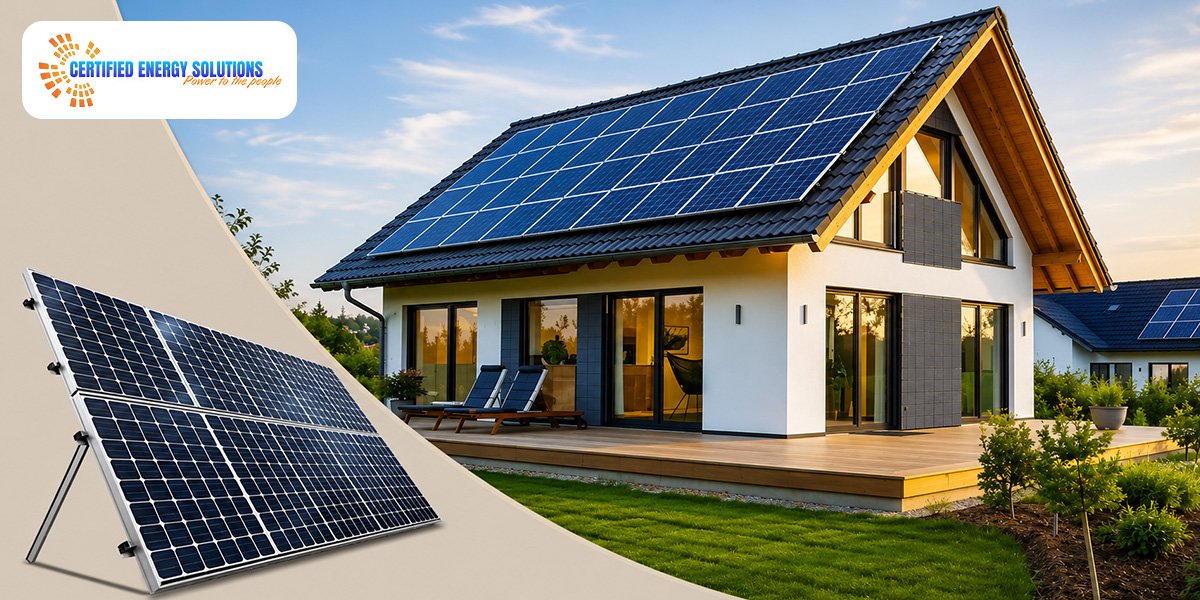
Most people choose to install panels on their roofs because space is limited.
- Make sure your roof is strong enough to hold the panels.
- If you don’t have enough roof space, think about ground-mounted systems, but check local zoning laws to ensure they are allowed.
2. Orientation and Tilt
For the best results, solar panels should face true south if you live in the Northern Hemisphere. They should also be tilted at an angle that matches your latitude. Some homes may need adjustable racks to catch more sunlight.
Understanding Regulations and Incentives
When designing your solar system, it’s important to know the local regulations and available incentives:
- Check with your local government about the permits needed to install solar systems. Make sure to follow building codes and safety rules.
- Look for tax credits, rebates and energy efficiency programs. Many states and countries offer financial help that can lower the total installation cost.
Monitoring and Maintenance
After your solar system is installed, monitoring its performance is key.
- Use these systems to track how much energy your solar panels produce and to spot any problems quickly.
- Solar panels need little upkeep, usually just cleaning and occasional inspections. Ensure that nearby trees are not blocking sunlight from your panels.
Conclusion
Designing a solar system that fits your energy needs can save you money and give you energy independence.
If you’re looking for a reliable installer that prioritizes sustainable solutions, reach out to Certified Energy Solutions today! We specialize in custom renewable energy systems that are perfectly suited for Australia’s unique climate. Our offerings include off-grid and hybrid solutions, as well as residential and commercial systems, all designed to provide the best returns on your investment.