Queensland’s sun is one of our greatest natural assets, and harnessing it with solar panels has become a smart and necessary way to reduce electricity bills. Yet, with feed-in tariffs shrinking and evening peak power rates climbing, a standard grid-connected solar system often leaves homeowners paying steep electricity costs as soon as the sun sets.
This shift in energy economics has made solar battery storage less of a luxury and more of a financially strategic decision. For homeowners across Brisbane, the Gold Coast, and the Sunshine Coast, the critical question is no longer whether to add a battery, but how to integrate it into your solar setup: should you go for a Hybrid Solar System installed today, or a Battery-Ready system designed for future upgrades?
This guide explores the differences between these two approaches, breaking down costs, technical considerations, and long-term implications to help you make the smartest energy investment for your Queensland home.
Defining the Core Difference: Inverters Make the Difference
The heart of the decision lies in the inverter. The inverter is the component that converts the DC power generated by your panels into AC power that your home can use. But when it comes to hybrid or battery-ready systems, the inverter does much more; it manages battery charging, discharging, and the integration of solar energy into your home and the grid.
The Hybrid Solar System (All-in-One Solution)
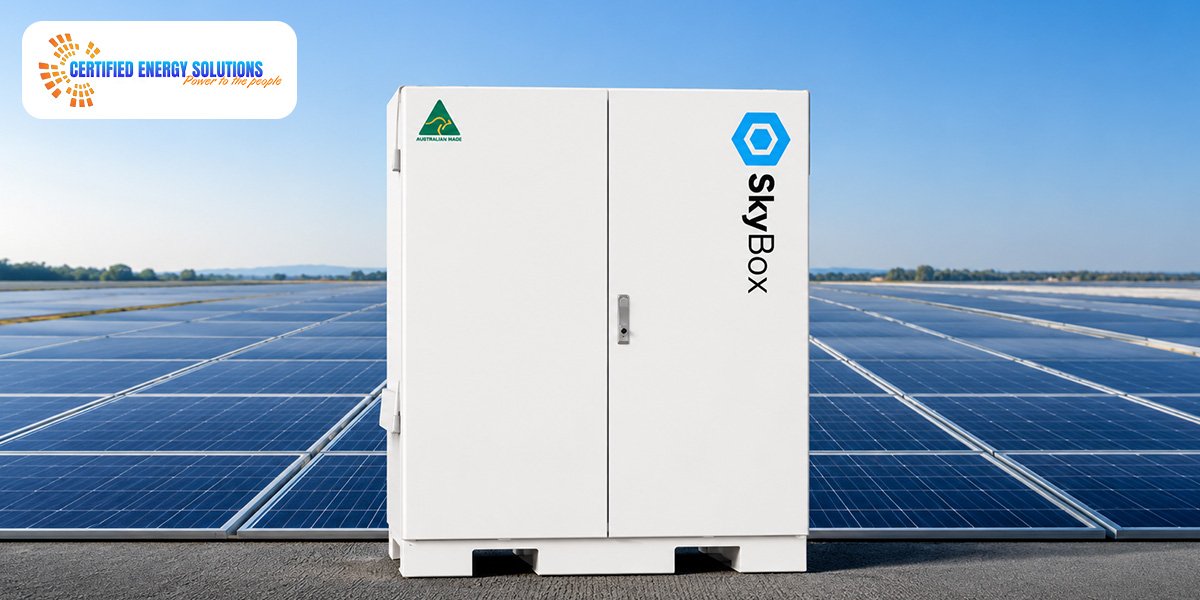
A Hybrid Solar System is designed as a complete package from day one. It includes solar panels, wiring, a hybrid inverter, and a battery (or multiple batteries).
How it Works: During the day, solar energy is split three ways: it powers your home, charges the battery, and sends any excess to the grid for a feed-in tariff (FiT). At night, your home draws energy from the battery first, then taps the grid only if necessary.
Blackout Protection: One of the major benefits of a hybrid system is the ability to maintain power during a grid outage. Many systems allow for a designated backup circuit, keeping essential appliances like lights, fridge, Wi-Fi, and medical devices running even during storms or grid failures. For Queensland homeowners, where blackouts can be common during severe weather, this feature is invaluable.
The Battery-Ready System (Future-Proof Flexibility)
A Battery-Ready System starts as a standard solar installation, but it’s specifically designed for a seamless battery upgrade later.
The Inverter: A properly battery-ready system uses a hybrid inverter installed upfront, but without a physical battery connected. These hybrid-ready inverters come with ports and infrastructure in place, making future integration simple and cost-effective.
The Upgrade Path: When you’re ready to add a battery in 2-5 years, it can be connected to the existing hybrid inverter without the need for an additional inverter or major electrical changes. This avoids the labour and hardware costs associated with retrofitting a battery onto a standard string inverter.
Be cautious of systems marketed as ‘Battery Compatible’ that only include a standard inverter. Adding a battery later will require a separate AC-coupled inverter, which is less efficient and significantly more expensive.
Investment Considerations: Upfront Cost vs. Long-Term Value
Every energy decision comes down to a balance between initial investment and long-term returns.
| Feature | Hybrid Solar System (Battery on Day 1) | Battery-Ready System (Hybrid Inverter) |
| Upfront Cost | Highest – includes panels, hybrid inverter, and battery unit | Medium – higher than standard solar but less than a full hybrid |
| Immediate ROI | Highest – avoid high evening grid rates from day one | Lower – benefits limited to daytime self-consumption |
| Cost to Add Battery Later | N/A | Low – just purchase and connect the battery |
| Future-Proofing | Excellent | Excellent – ready for latest battery tech |
The Hybrid Advantage: Maximising Self-Consumption
In Queensland, the average feed-in tariff is often just 5-10 cents/kWh, while retail electricity prices at night can exceed 30 cents/kWh. A hybrid system lets you store daytime solar power for evening use, avoiding the financial imbalance of selling cheap and buying expensive.
Households with high evening usage such as running pool pumps, air conditioners, or charging electric vehicles see the greatest benefit. Immediate savings can drastically accelerate ROI, often making the upfront investment worthwhile within a few years.
When to Choose Each System?
The ‘smartest’ system is the one tailored to your household’s energy habits, budget, and goals.
Choose a Hybrid Solar System (Battery on Day 1) if:
- Your household consumes most electricity between 4 PM and 9 PM.
- Storm-prone areas or frequent outages make a UPS-style setup valuable.
- You can invest upfront for maximum energy independence.
- Using stored solar for EV charging maximises financial return.
Choose a Battery-Ready System (Hybrid Inverter) if:
- You prefer to add the battery in 2-5 years.
- Battery prices and efficiency improve rapidly; waiting can allow you to pick a more advanced system.
- If you’re home during the day, self-consuming most solar, immediate battery storage isn’t critical.
- The system is ready to add a battery when the timing is right, without costly retrofits.
Final Word: Making the Smart Energy Choice in Queensland
For most Queensland households not at home during the day, a Hybrid Solar System is often the smartest long-term investment. While upfront costs are higher, immediate self-consumption, lower reliance on the grid, and blackout protection deliver both financial and lifestyle benefits.
For households with tighter budgets or who want to wait for battery technology to improve, a Battery-Ready system with a hybrid inverter is an excellent compromise. It ensures future compatibility, avoids costly retrofitting, and allows homeowners to integrate batteries when it’s most advantageous.
Key Takeaways for a Smart Solar Investment
- Never install a system with a standard inverter if you plan to add a battery later.
- Hybrid inverters are essential for efficient and cost-effective battery integration.
- Consider your household’s energy profile, usage patterns, and financial readiness when choosing between hybrid and battery-ready.
- Blackout protection is not just a luxury; it’s a practical benefit for Queensland homeowners.
- Both hybrid and battery-ready systems can future-proof your energy setup when installed correctly.
- Investing in the right solar system today ensures that your home maximises self-consumption, reduces electricity bills, and protects your family against rising energy costs and power outages.
Your Trusted Solar Partner in QLD
If you’re ready to make a confident choice, Certified Energy Solutions provides expert advice, installation, and hybrid-ready solutions for Queensland homeowners. Their local, CEC-accredited team ensures you get a system that performs efficiently today and remains upgradeable for tomorrow.
Get a quote today and discover why homeowners across Brisbane, the Gold Coast, and Sunshine Coast trust Certified Energy Solutions to deliver solar systems built to last.