If you’re living in a rural area and thinking of switching to custom solar systems for homes, it’s normal to wonder whether your location will make things harder. Many rural homeowners ask the same questions: “Will solar work well out here?” “Will it cost more?” or “Is the grid too weak for solar?” These concerns are real because rural solar installations often come with obstacles that suburban or urban homes never deal with.
The good news? Every challenge has a practical solution and with proper planning, solar power can be even more beneficial in rural areas than in cities.
Let’s break down the specific issues rural homeowners face and how to overcome each one so you can enjoy affordable, stable and long-term solar energy.
Why Rural Solar is Different
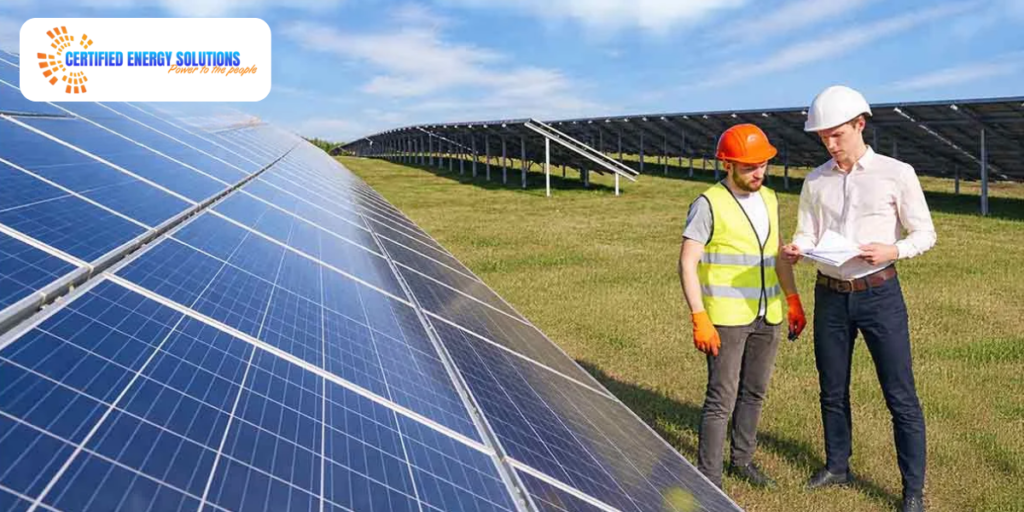
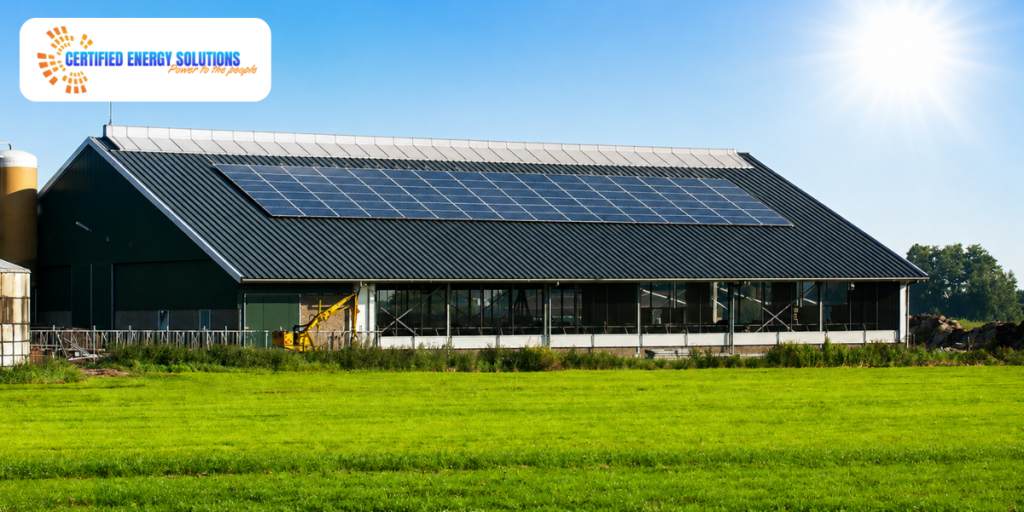
Rural properties usually offer advantages like wide-open land, fewer neighbours and lower shading, but they also face their own set of complications. Many rural areas have older utility infrastructure, long distances between homes and main utility lines, more wildlife interaction, and harsher weather patterns. These factors don’t make solar impossible, but they do make the installation process more specialized.
1. Weak or Unstable Grid Infrastructure
One of the biggest challenges in rural zones is grid instability. Older electrical lines, inconsistent voltage and more frequent outages can affect how well solar systems run. In some areas, utilities even impose limits on how much solar energy a property can feed into the grid.
How to Solve It:
- Choose a hybrid solar system that includes panels, batteries and grid backup.
- Consider off-grid solar if your home is extremely remote.
- Install high-capacity inverters for variable voltage.
- Work with a solar provider that handles utility approvals and interconnection paperwork.
A hybrid solar system in Australia is often the most reliable choice because it keeps your home running even when the local grid is weak.
2. Long Gap Between Your Home and Utility Lines
Some rural homes sit far from the main road or the nearest utility connection point. Extending lines across large properties can become expensive or slow, especially if the utility company has limited availability.
To avoid these complications,
Many rural homeowners install solar with battery storage, reducing dependence on long-distance utility lines. Ground-mounted panels can also be placed strategically closer to the connection point, which helps reduce installation costs.
3. Challenging Terrain, Soil or Roof Conditions
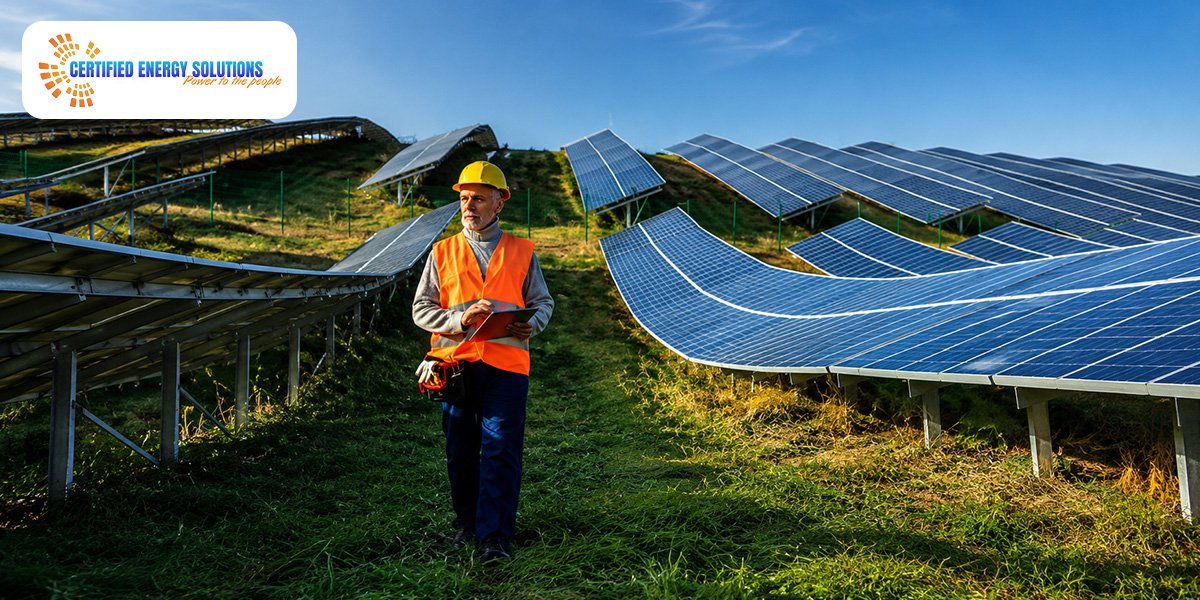
Not all rural properties have ideal conditions. Sloped land, rocky soil, unstable ground or older roofs can make installation more difficult. This can increase labour time or require specialized mounting equipment.
Solutions include:
- Installing ground-mounted systems where roofs aren’t suitable.
- Using adjustable tilt racking systems for uneven or sloped land.
- Applying soil anchors or ballasted mounts for rocky terrain.
- Clearing trees or brush to increase sunlight exposure.
A professional site assessment helps determine the safest and most efficient panel placement.
4. Wildlife Interference
Rural areas naturally have more wildlife activity. Squirrels chewing wires, birds nesting under panels and deer damaging ground mounts are common issues. While these might sound minor, they can create long-term performance and maintenance problems.
Fortunately, protective measures like critter guards, heavy-duty conduits, and wildlife fencing can prevent most damage. Proper installation techniques ensure wires and equipment are shielded from animals.
5. Limited Access to Local Solar Installers
Many rural areas lack qualified solar providers, which forces homeowners to rely on distant companies. This can result in higher travel costs and longer installation wait times.
To minimize these issues, it’s important to select an installer that:
- Has proven experience with rural or off-grid solar setups
- Offers transparent travel fees
- Provides remote system monitoring
- Uses equipment with long-term warranties
This ensures you’re not left without support once the system is installed.
6. Harsher Weather and Environmental Conditions
Rural properties tend to experience more impact from weather, including heavy snow, wind gusts, storms and temperature swings. These elements can stress panels and racking if not properly designed.
The solution is to use equipment that is wind-rated, snow-rated and weather-resistant, including durable racking systems and weatherproof wiring. Battery enclosures with temperature protection are also essential to maintain performance year-round.
7.Higher Upfront Costs
Homeowners in rural areas often pay more upfront for solar installations. This is due to challenges like remote locations, land preparation, and off-grid system needs. However, these initial costs can lead to big savings in the long run because rural areas typically use more energy and have fewer restrictions on where they can place solar panels.
To help manage these costs, homeowners should know various support options, including:
- Federal solar tax credits
- State incentives or rural energy grants
- Solar loans and financing options
- Long-term savings from not needing fuel generators or relying on the grid
These benefits show that investing in solar is a long-term gain, not just an expense.
Final Thoughts
Adopting solar energy in rural areas comes with challenges, but these can be overcome with the right help and resources. Working with Certified Energy Solutions can support rural homeowners in achieving energy independence while saving money. Choose solar power for a sustainable and cost-effective energy solution!