A solar system can do more than generate electricity during the day. With the right equipment, excess solar energy can be stored for later use, used to charge an EV and managed around your household’s electricity needs.
At the centre of this setup is the inverter. A standard solar inverter converts the DC electricity generated by your panels into AC electricity for use in the home. A hybrid inverter also manages energy between the solar system and compatible battery storage.
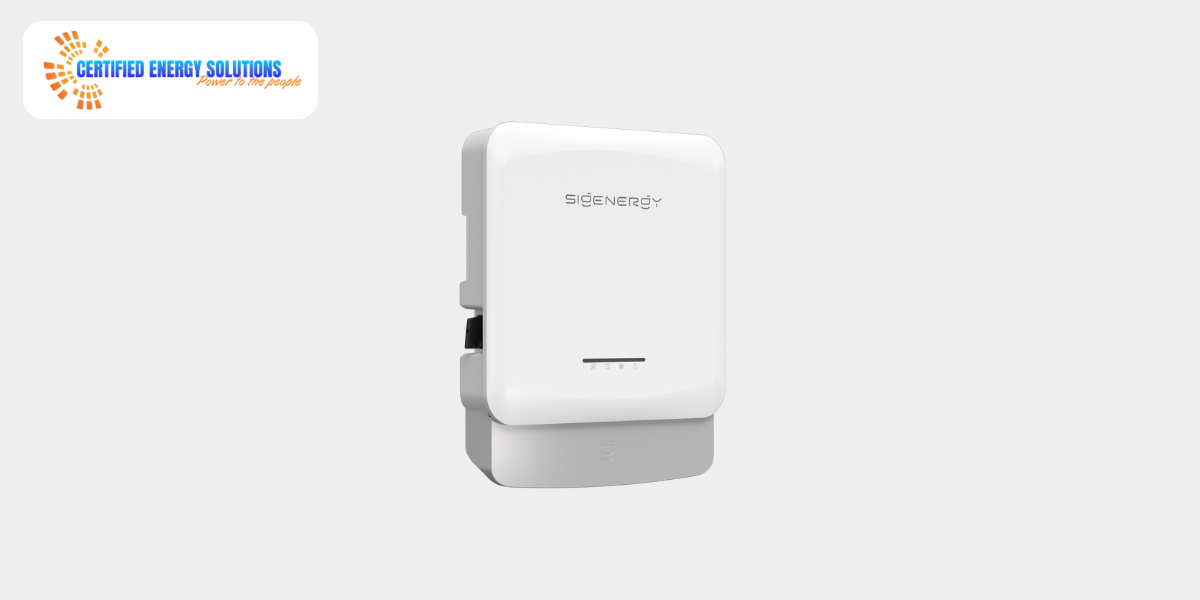
The Sigen energy system brings these functions together through the Sigen Hybrid Inverter, SigenStor battery storage and Sigen EV AC Charger. For Australian homeowners considering solar, battery storage or an EV, understanding how these components work together can help when planning the right system.
What Is a Hybrid Inverter?
Solar panels generate DC electricity, while household appliances use AC power. The inverter converts the electricity into a form your home can use.
A hybrid inverter adds battery management to this process. When your solar panels produce more electricity than the home needs, the surplus can be directed to compatible battery storage rather than being exported straight to the grid. That stored energy can then be used when solar production falls, such as in the evening.
The Sigen Hybrid Inverter is designed to work with Sigen Battery storage as part of the wider Sigen energy system.
Why Consider Sigen Hybrid Inverters?
Selecting an inverter involves more than matching its capacity to your solar panels. Household electricity consumption, battery storage, EV charging, available installation space and existing electrical infrastructure all need to be considered.
The Sigen Hybrid Inverter offers several features suited to residential installations:
Compact design: At 99 mm deep, the inverter has a compact profile and uses a die-cast metal body. This can be useful where an inverter, battery and EV charger need to be installed together.
Quiet operation: Its fanless design helps minimise operating noise, with a rated noise level of ≤25 dB. This is particularly useful when equipment is installed close to living areas.
Protection for Australian conditions: The inverter has an IP66 protection rating and is designed to operate between -30°C and 60°C.
Compatible Sigen system: The Hybrid Inverter and SigenStor battery are designed to work together, allowing solar generation and stored energy to be managed as part of one system.
Where Do Sigen Batteries Fit In?
Solar generation and household electricity use rarely line up perfectly.
Your panels may produce plenty of electricity during the middle of the day when the house is relatively quiet. Later, when everyone is home, electricity demand can increase while solar production starts to fall.
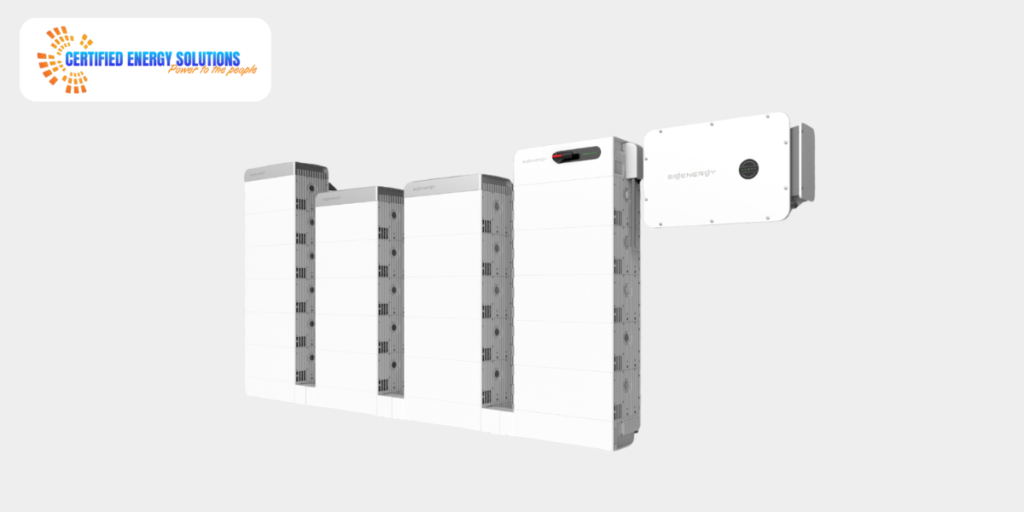
Battery storage provides a way to save some of that daytime solar energy for later. SigenStor is a modular, stackable battery system that can be integrated with the Sigen Hybrid Inverter as part of a wider Sigen setup.
The right battery capacity depends on the household. Solar generation, electricity consumption, daily routines and EV charging can all affect how much storage is useful. Looking at when electricity is being used is just as important as considering total daily consumption.
What About the Sigen EV AC Charger?
Adding an EV can significantly change a home’s electricity requirements. Vehicle charging can become one of the larger electrical loads on the property, so it should be considered when planning a solar and battery system.
The Sigen EV AC Charger offers three charging modes:
- PV Surplus — uses available surplus solar energy for EV charging.
- Solar Boost — provides faster solar-assisted charging.
- Fast Charging — provides a faster charging option when required.
The charger is available in 7 kW, 11 kW and 22 kW versions and uses a Type 2 connector.
Planning EV charging alongside the solar and battery system gives the installer a clearer picture of the property’s expected electrical load and can help avoid changes later as energy requirements grow.
How Do You Choose the Right Hybrid Inverter?
Start with how your household actually uses electricity.
An electricity bill shows total consumption, but the timing of that consumption matters too. A home running ducted air conditioning throughout the afternoon will have a different energy profile from one that uses most of its electricity after work and school.
Other larger loads can also affect system design, including:
- EV charging
- Electric hot water
- Pool equipment
- Additional air conditioning
Future plans should be considered as well. If you are thinking about adding an EV, pool, air conditioner or other high-energy appliance, tell your installer before the system is finalised.
The installation location also needs attention. Inverter, battery and EV equipment require suitable mounting locations, adequate working space and access for future servicing.
If you are upgrading an existing solar system, the current inverter, solar array and electrical infrastructure should be reviewed before adding new equipment. Compatibility and site conditions need to be confirmed before upgrade work begins.
It is also worth deciding what you want the system to achieve. You may want to increase your use of solar energy, add battery storage, charge an EV at home or include backup power where appropriate. These priorities can guide the overall system design.
Is a Hybrid Inverter Necessary?
Not every household needs a hybrid inverter.
If battery storage is not part of your plans, a standard solar inverter may be enough. A hybrid model becomes more relevant when battery storage is part of the system, either now or as part of a compatible future setup.
Sigen’s single-phase Hybrid Inverter range covers 3.0 kW to 6.0 kW. The models feature a 99 mm depth, fanless design, IP66 protection and an operating range of -30°C to 60°C.
The appropriate capacity depends on the solar system, household consumption, battery storage and EV charging requirements. These factors should be assessed together rather than sizing the inverter around the solar panels alone.
Final Thoughts
Choosing the right home energy system starts with understanding how your household uses electricity. Solar generation, battery storage and EV charging each have a role to play, but bringing them together requires the system to be planned around your property and energy needs.
The Sigen Hybrid Inverter, SigenStor battery and Sigen EV AC Charger provide a connected approach to managing solar generation, storage and EV charging. With the right configuration, these components can form part of a practical energy solution for an Australian home.
Get Started with Certified Energy Solutions
If you’re considering a Sigen energy system, Certified Energy Solutions can assess your property, energy requirements and future plans to help identify a suitable setup.
Contact Certified Energy Solutions to arrange a site assessment and discuss your options for a Sigen energy system.
Frequently Asked Questions
What does a Sigen Hybrid Inverter do?
It converts DC electricity from solar panels into AC power for household use and manages energy between the solar installation and compatible battery storage.
Can I add Sigen Batteries later?
Yes. Sigen Battery storage can be added to a compatible Sigen Hybrid Inverter. Existing solar equipment and electrical infrastructure should be checked first to confirm that the proposed setup is suitable.
Can a Sigen Hybrid Inverter work with an EV charger?
Yes. The Sigen EV AC Charger is part of the Sigen energy system and offers PV Surplus, Solar Boost and Fast Charging modes.
How does the inverter handle Australian conditions?
The inverter has an IP66 protection rating and is designed to operate between -30°C and 60°C.
What size Sigen Hybrid Inverter do I need?
There is no single capacity that suits every home. Solar generation, household consumption, battery storage and EV charging requirements should all be considered.